Processing on site.
Designed to process and store data in your warehouse, as part of the wider TraceWorks platform.
Hardware and software for warehouses
Devices and software, made together. The first step is Base Station, so work doesn’t stop even without the internet.


Why TraceWorks
In many warehouses, software, scanners, labels and sensors come from different vendors, and keeping them in step takes time. Most solutions offer one more program. We start with devices you can hold in your hand, and build the software together with them.
Base Station, Link radio modules and sensors work on site in the warehouse, where the work happens.
We design the electronics, the carrier board and the enclosure in our own team, so every part is made for warehouse work.
The workspace is built together with the devices, so scanning, labels and sensors are part of the same workflow, not a separate purchase.
In development
Base Station handles the sync with the cloud, so work on site relies less on the connection outside.
Designed to process and store data in your warehouse, as part of the wider TraceWorks platform.
Intended to keep core work running through internet outages, then sync once the connection returns.
The device and the screen are developed around the same tasks, from receiving goods to confirming an order.
Base Station is designed to keep what matters on site: data, processing and the device network. Scanning, confirming and recording core operations carry on locally, with records syncing when the connection is back.
Orders arrive from the platform.
Base Station switches to local mode.
Confirmations are recorded on site.
Work recorded on site syncs to the platform.
Technical specification
The enclosure, network and power are designed for work in the warehouse itself.
One Ethernet port connects upstream. The other serves a separate network for radio devices.
Read the articlePoE+ or 24 V DC, to suit the installation already at your site.
Read the articleSupercapacitor backup is designed to give Base Station time for a safe shutdown if power is lost.
Read the articleA metal enclosure designed for passive cooling, without a fan.
Read the articleLocal NVMe storage keeps operational records on the device itself.
Read the articleRemote updates and diagnostics are planned in from the very start.
Read the articleIn development
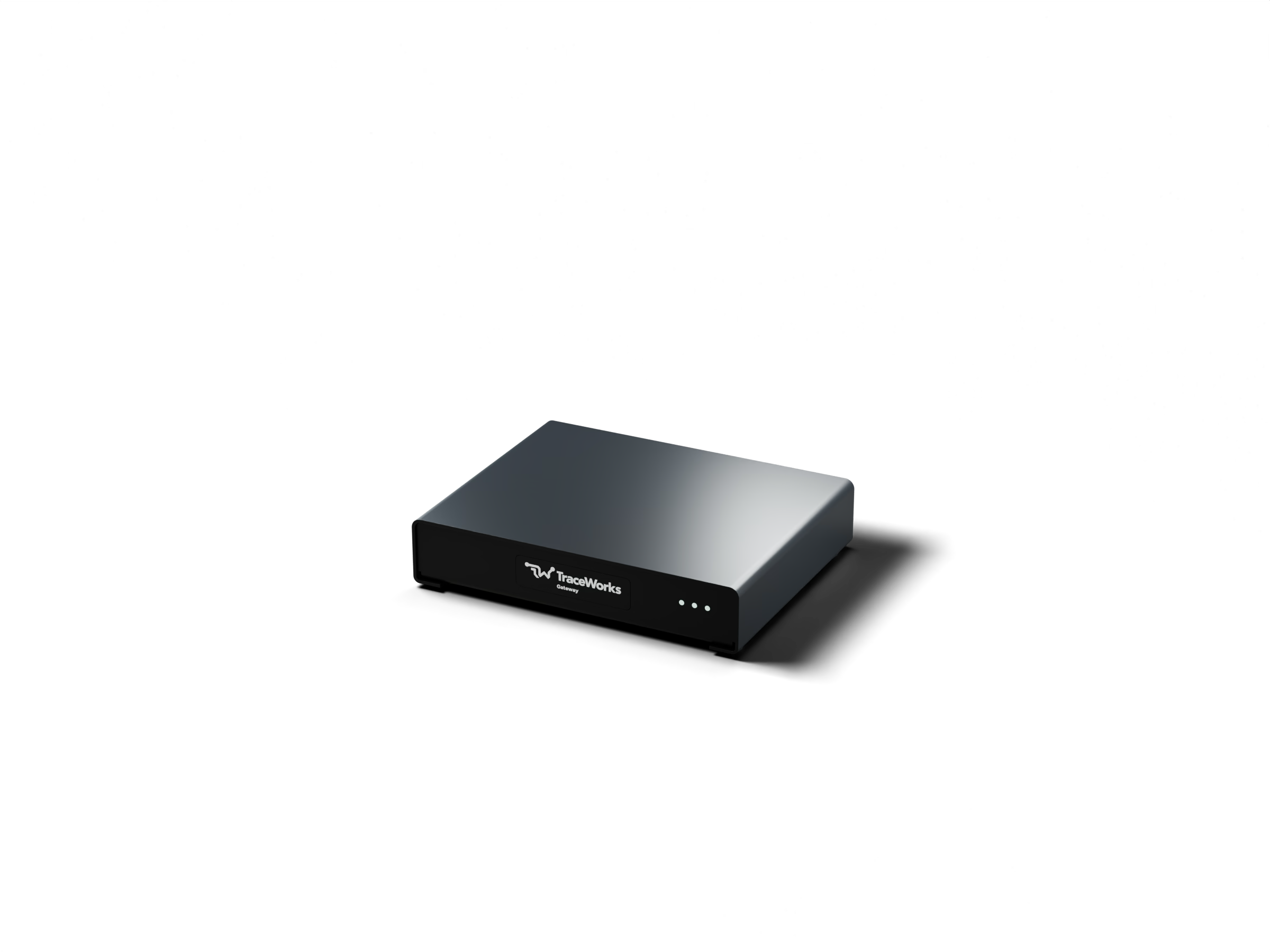
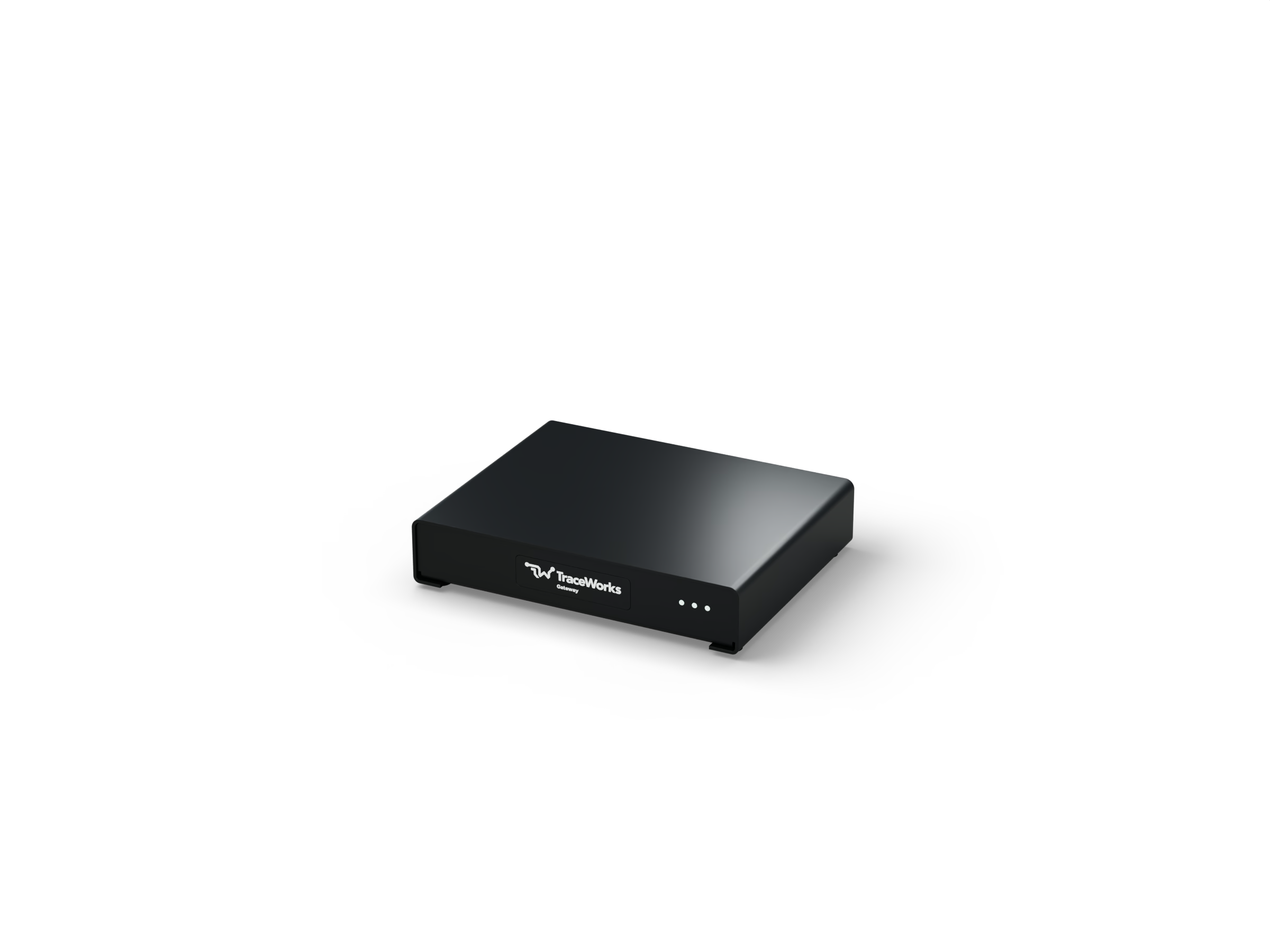
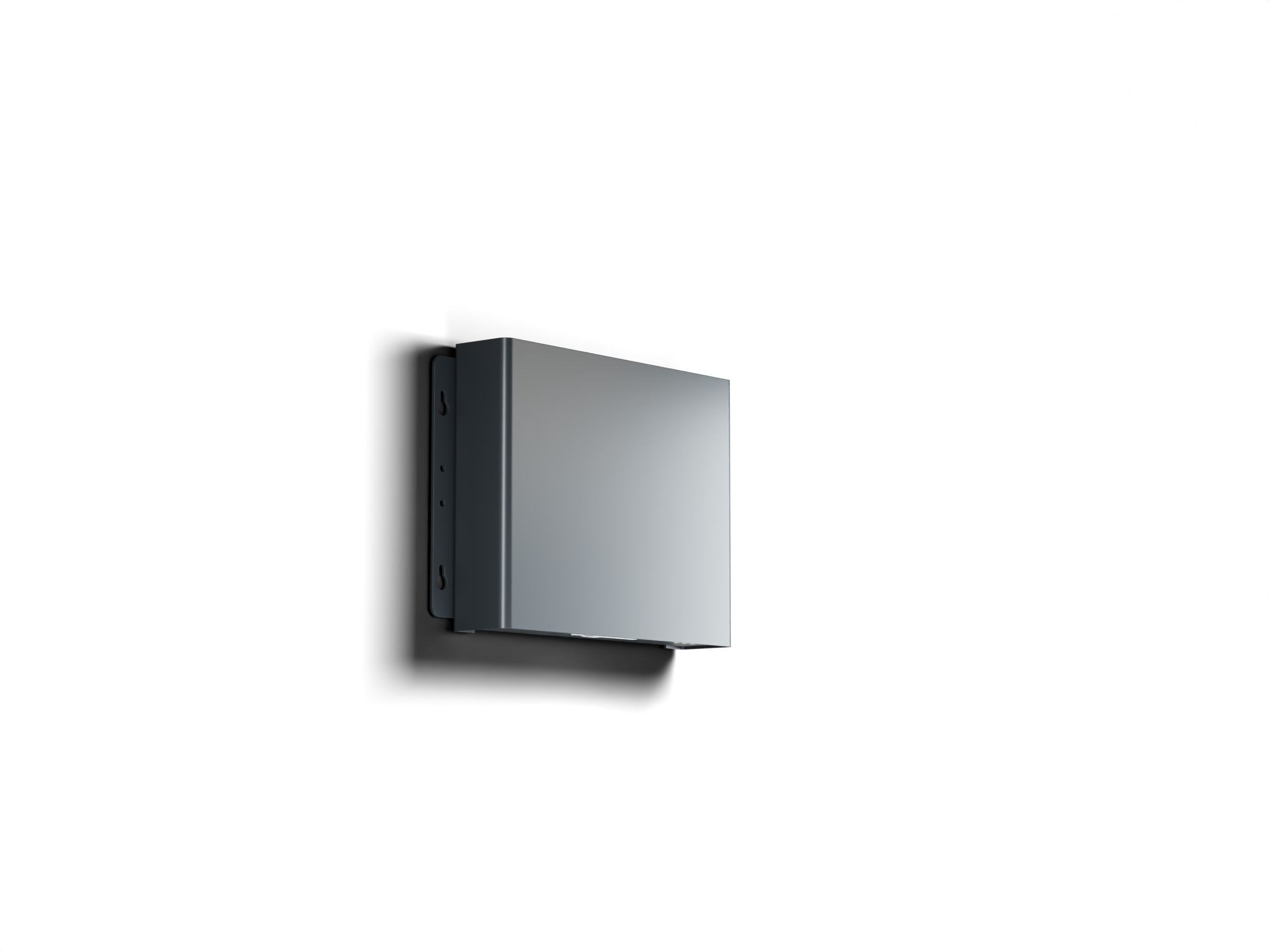
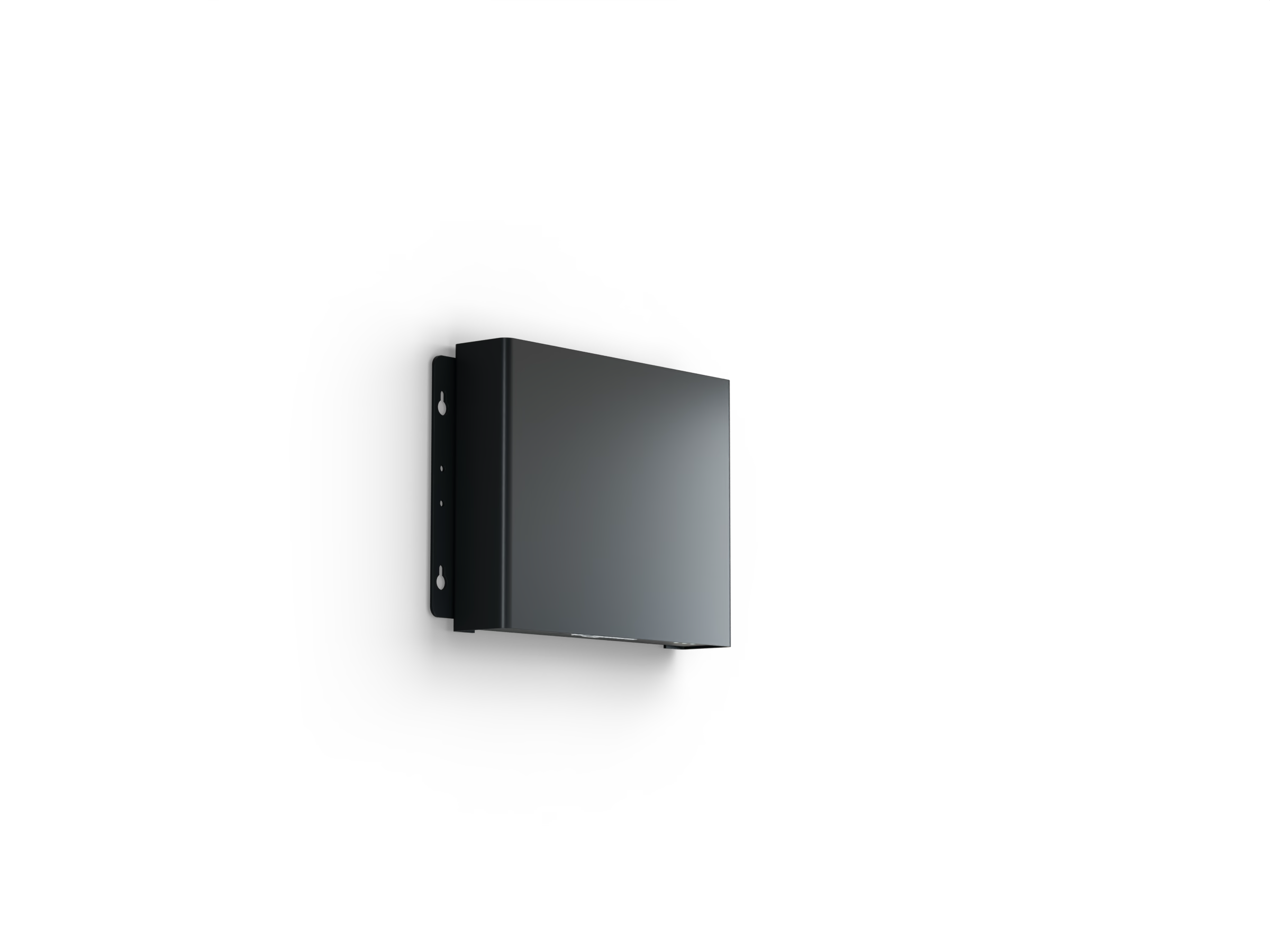
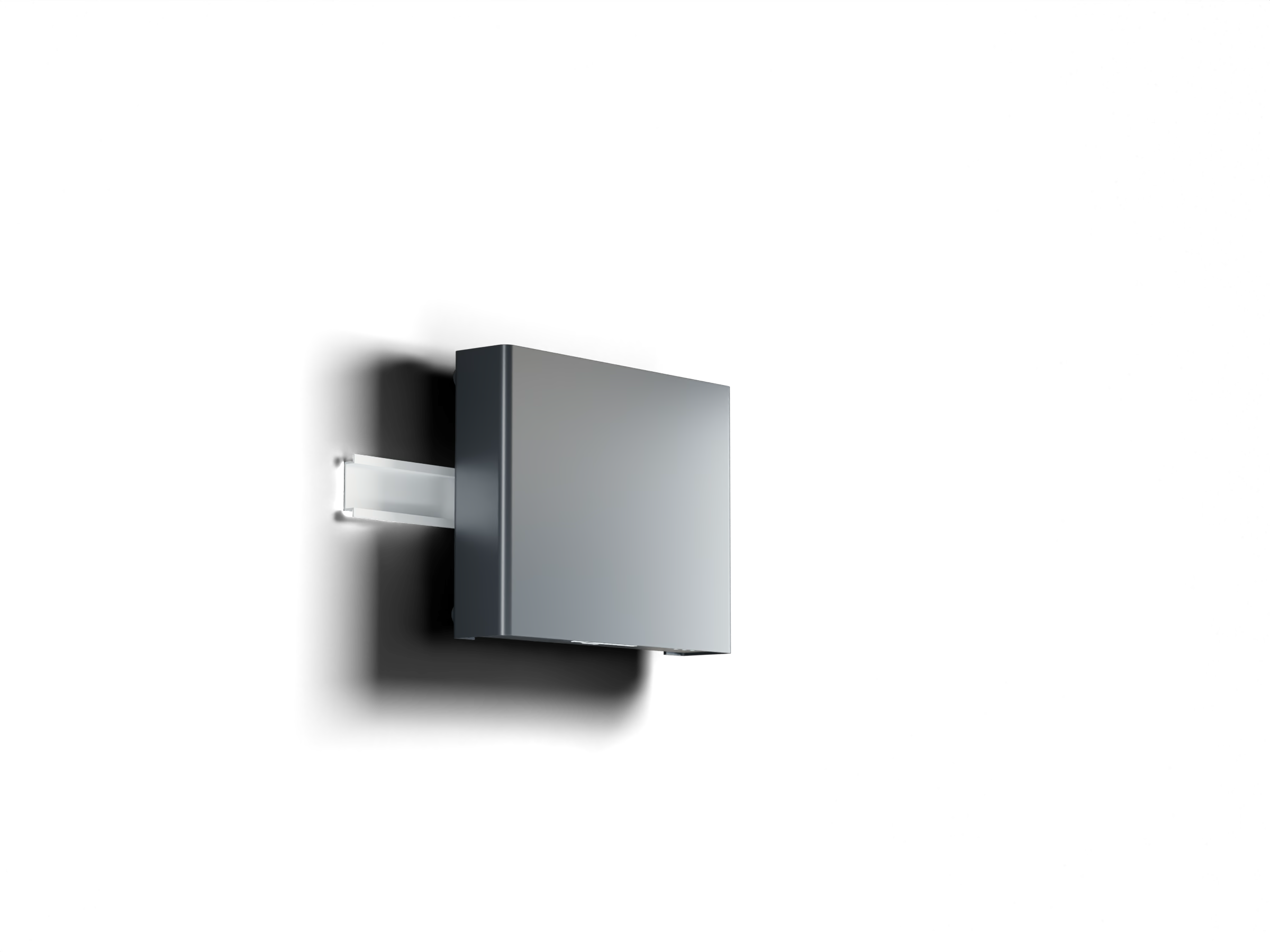
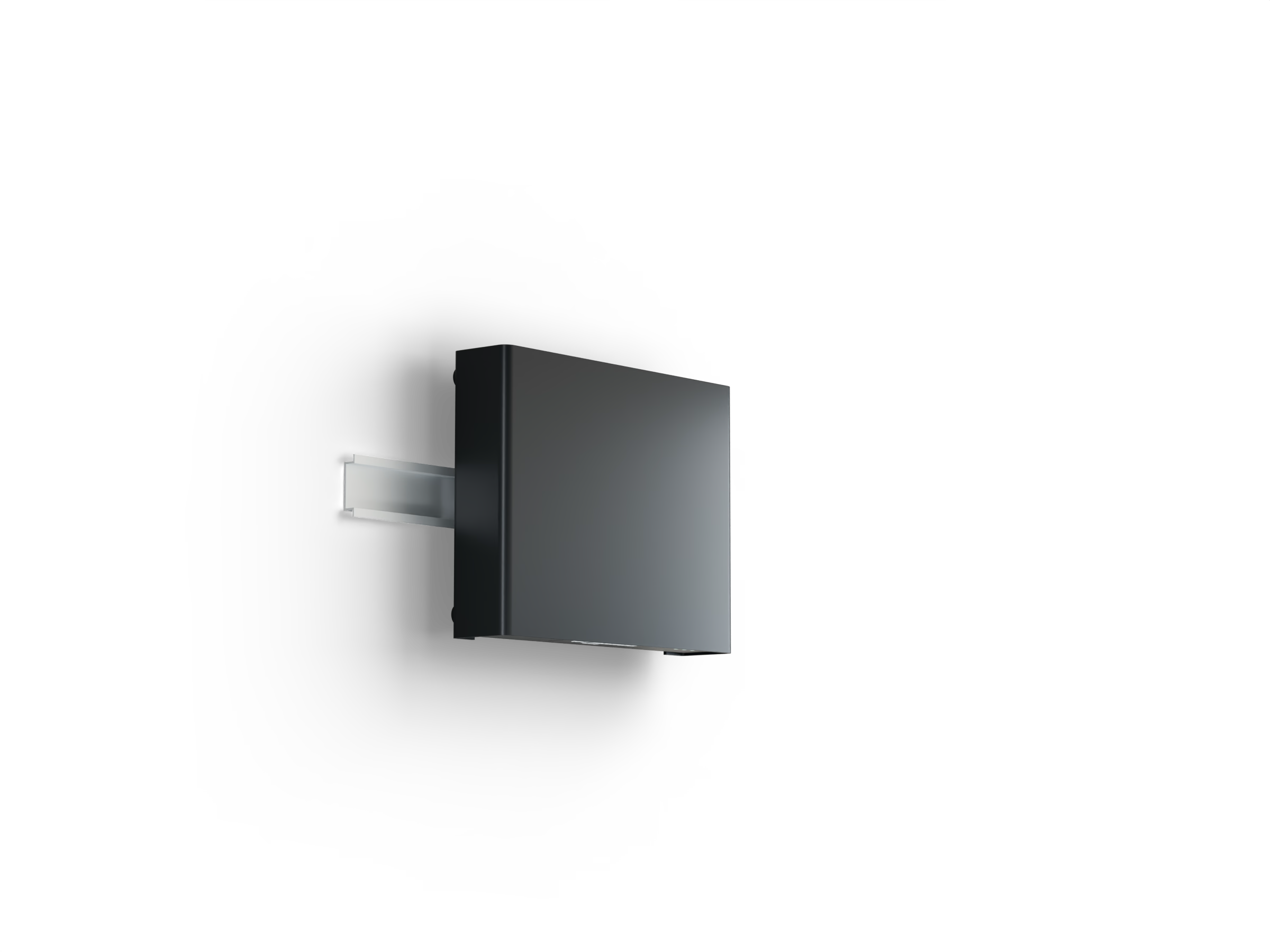
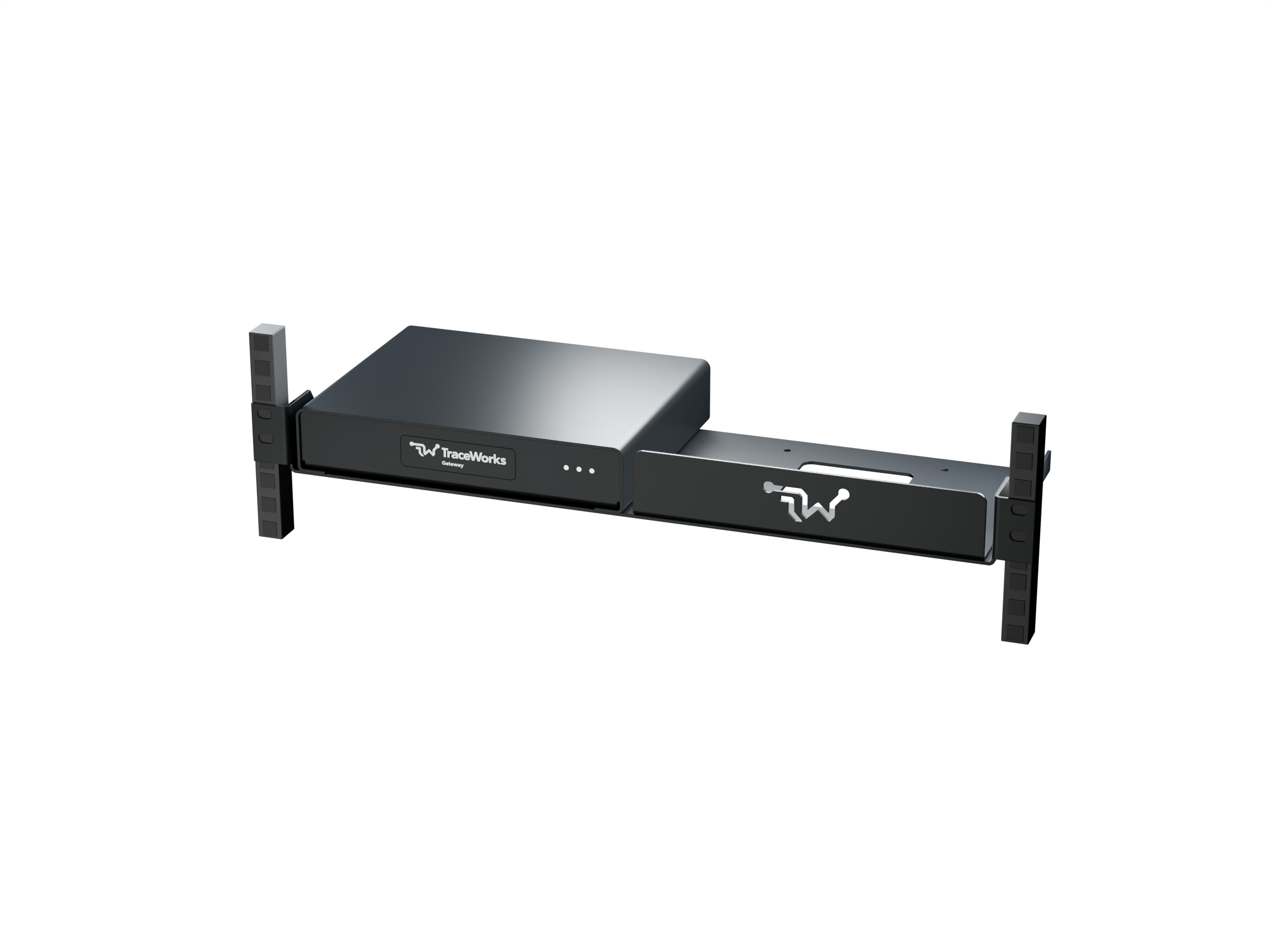
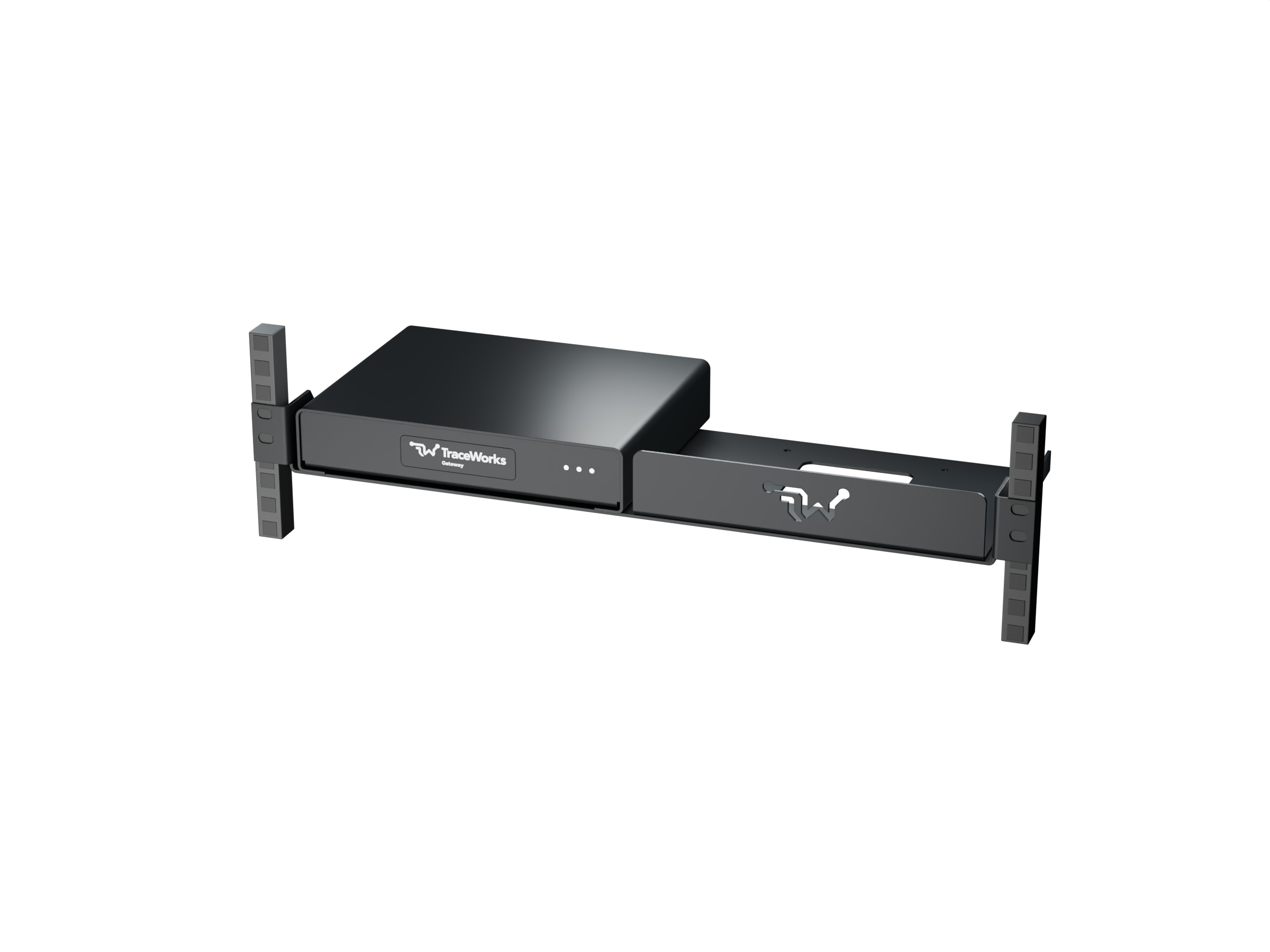
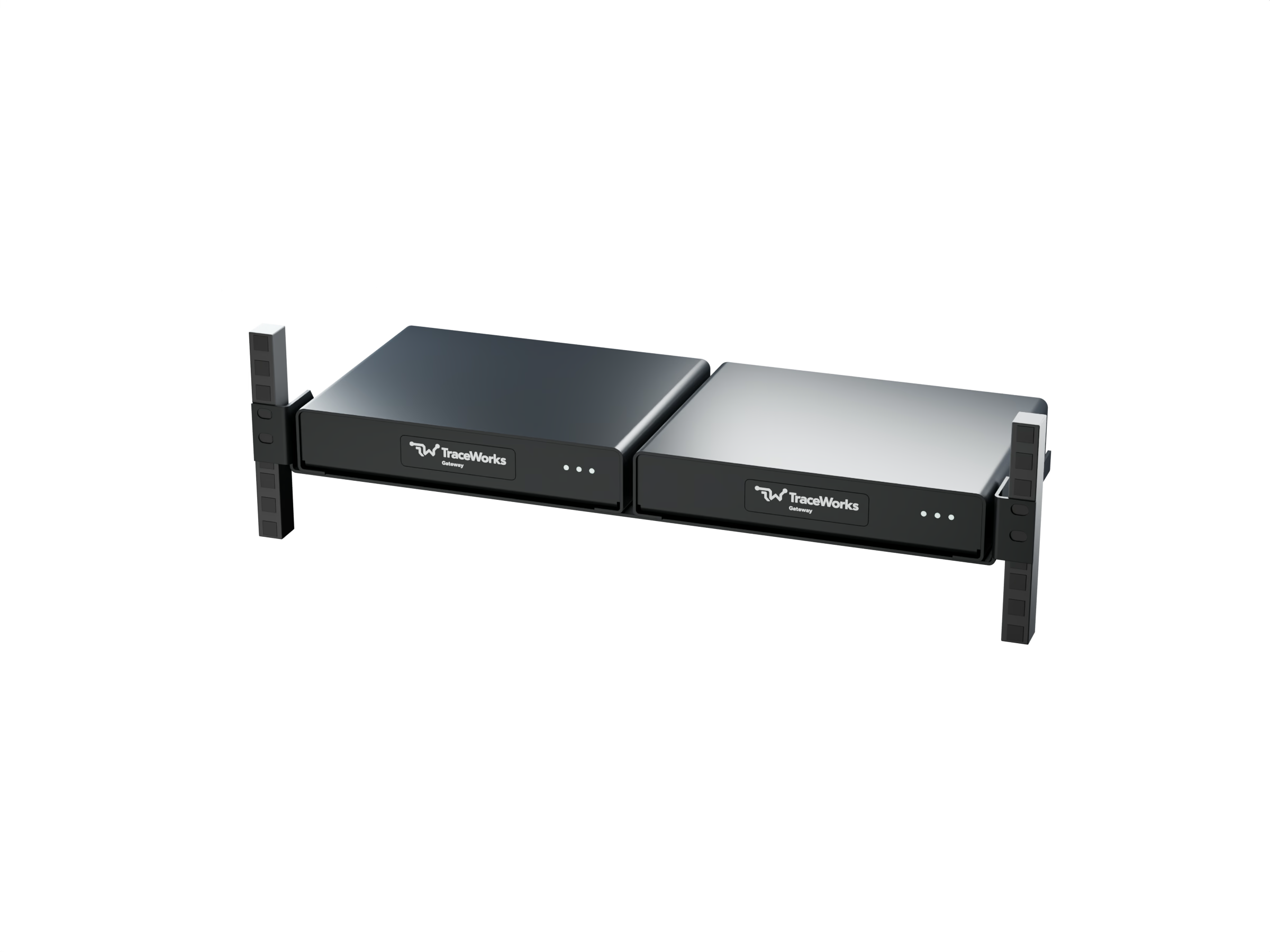
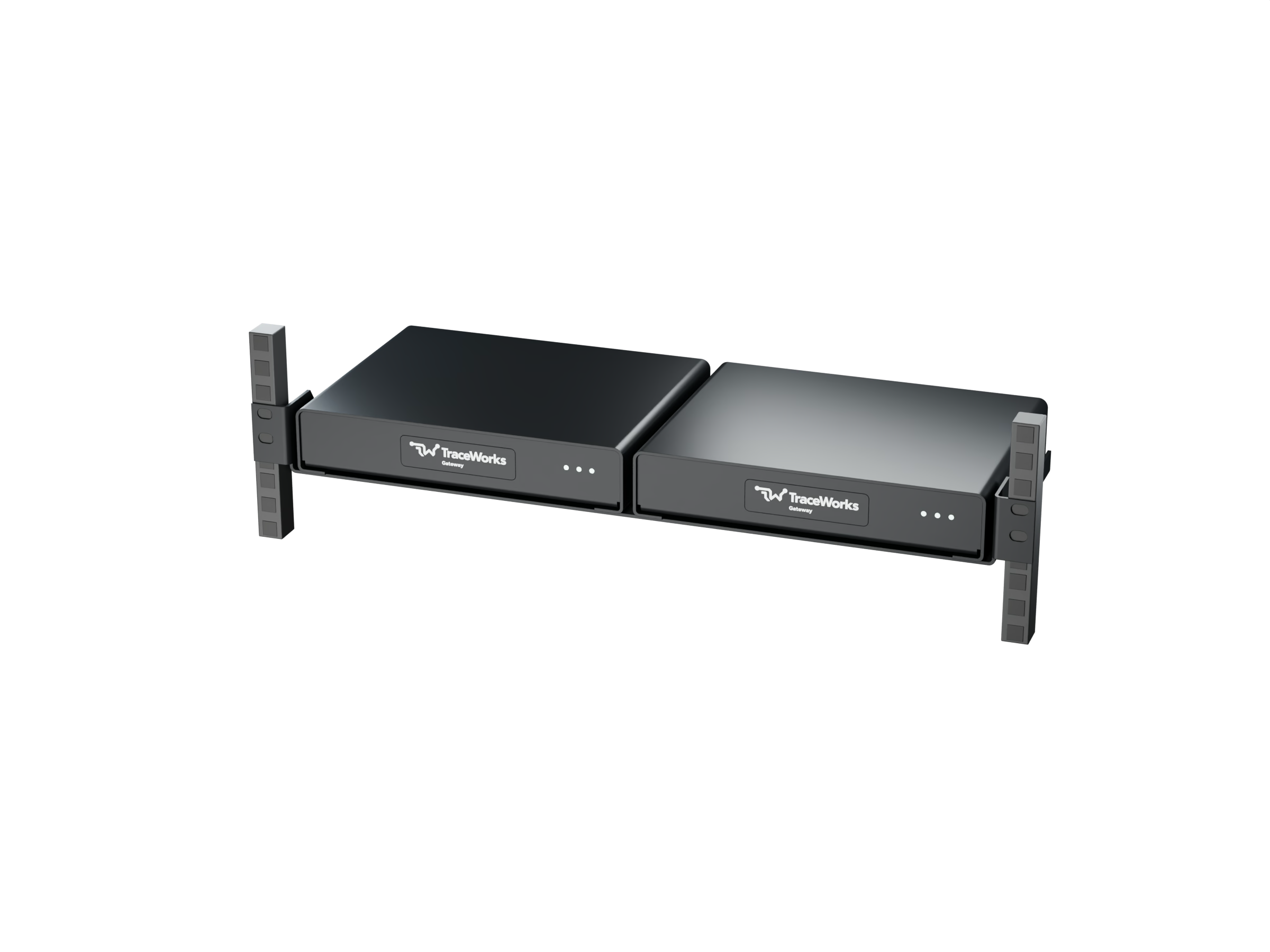
On a desk, on the wall, on a DIN rail or in a 19-inch rack. The same Base Station, mounted the way your site is built.
Software
The manager sees the whole picture, the worker sees the next task.
The new workspace demo will be available here on phones, tablets and desktops.
A worker opens the task, scans or enters what’s needed and confirms what actually happened. The record shows up in the system straight away.
The worker picks a task and sees the next action.
Scans the code of a product or location, or enters the data.
Confirms the actual result and moves on to the next task.
Ecosystem
Software, Base Station and devices on the floor are developed as one product family.
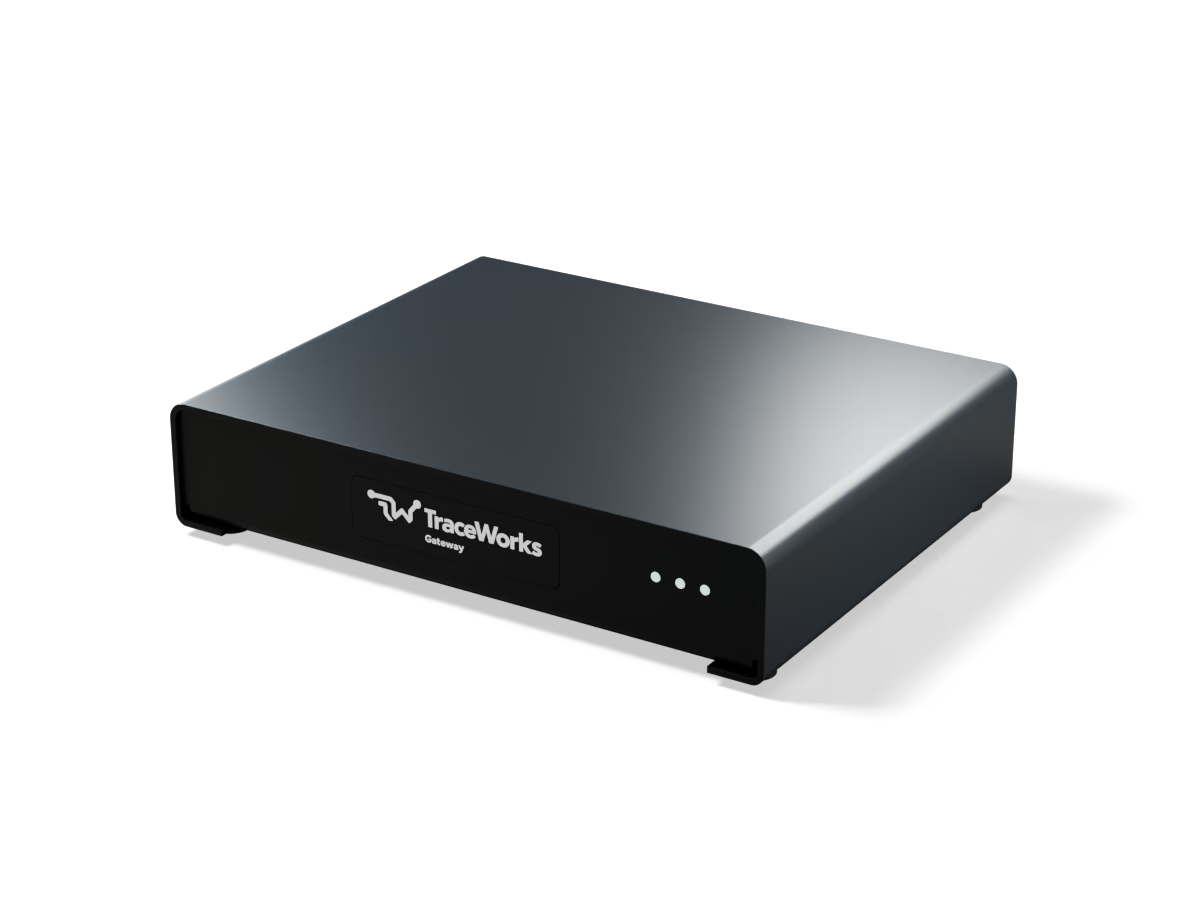
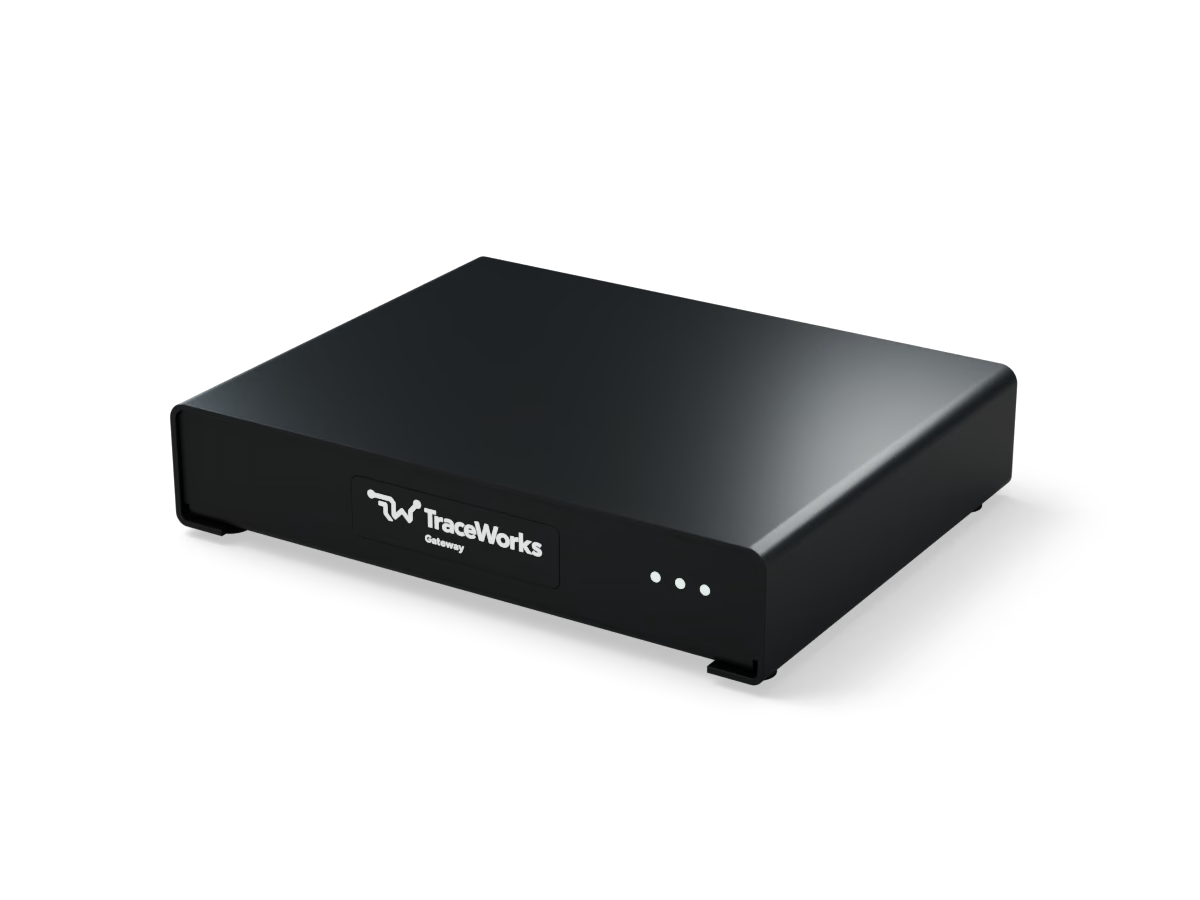
The base of the system in your warehouse.
In development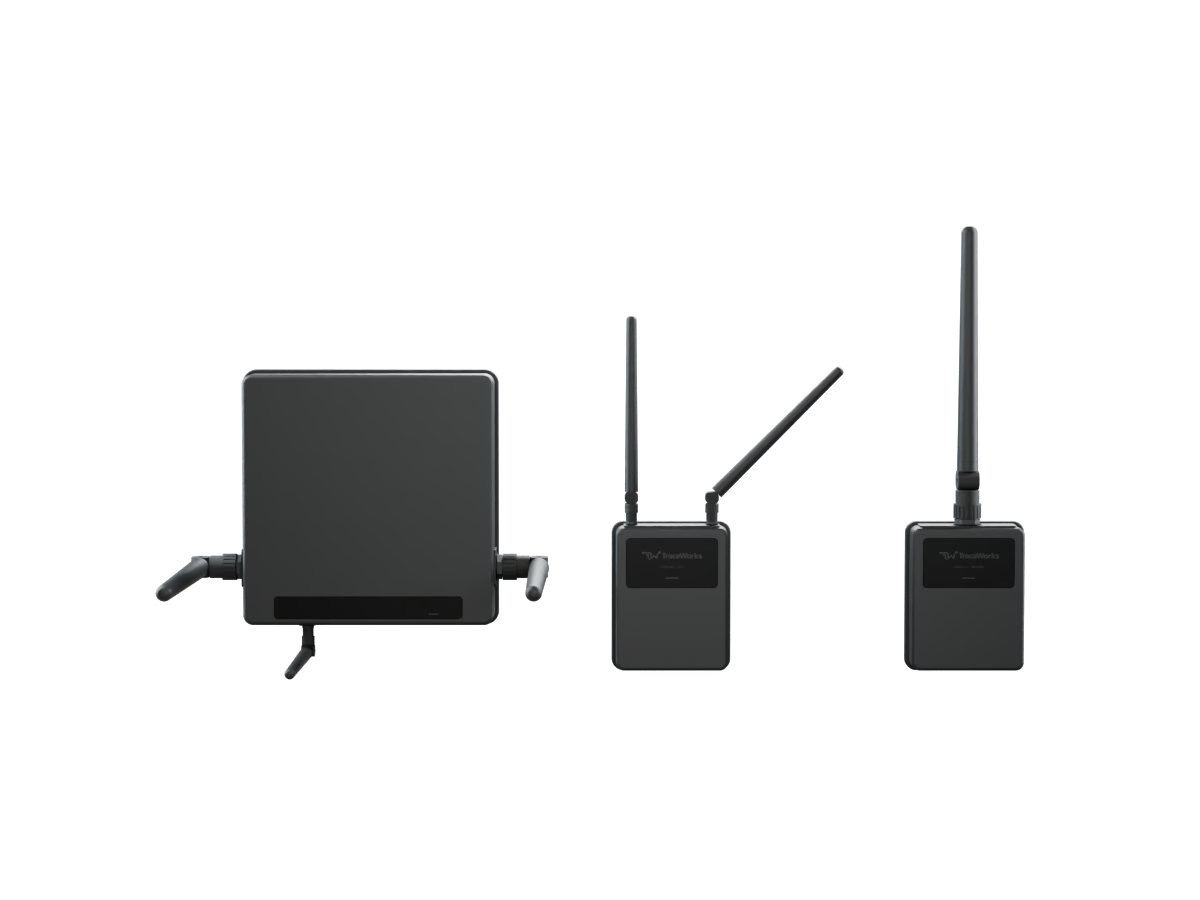
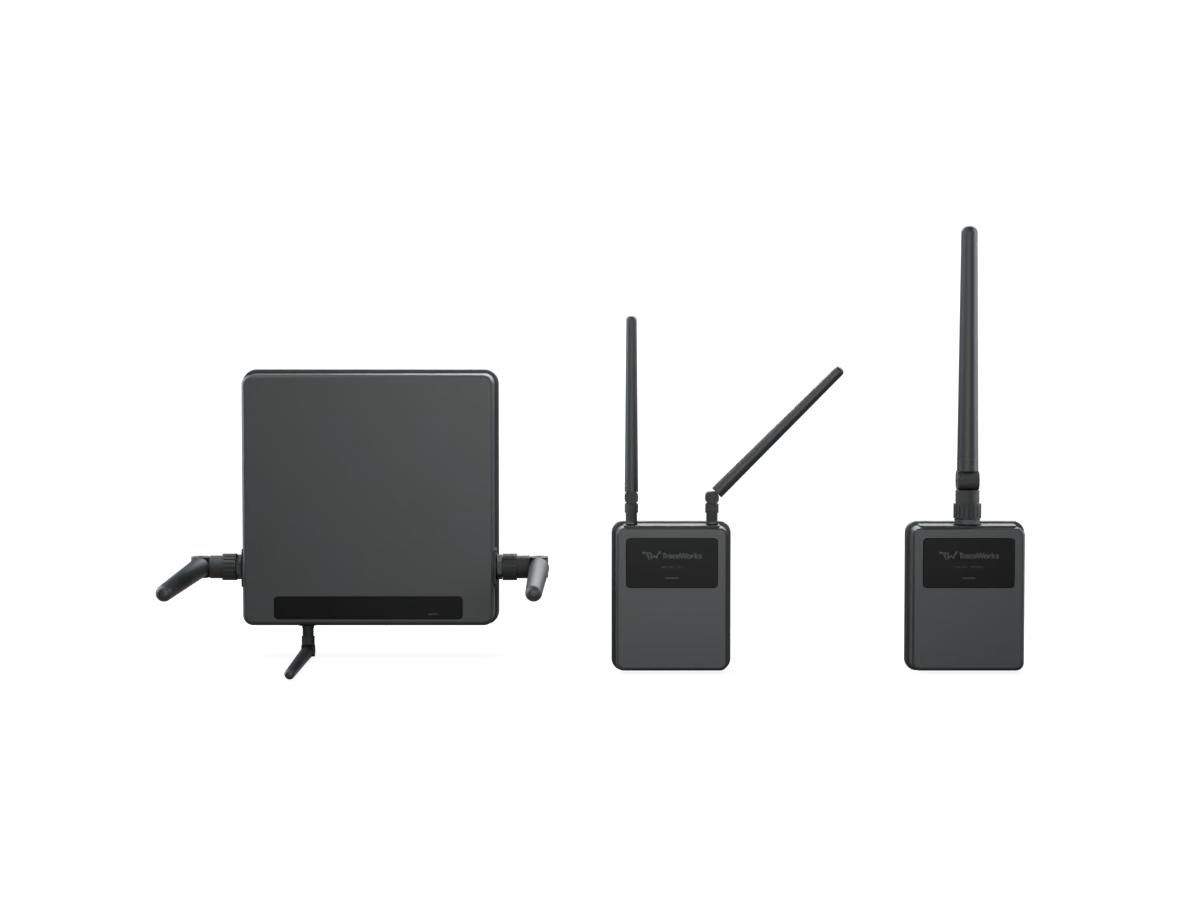
Radio modules: PRO, LITE BLE and LITE subGHz.
Planned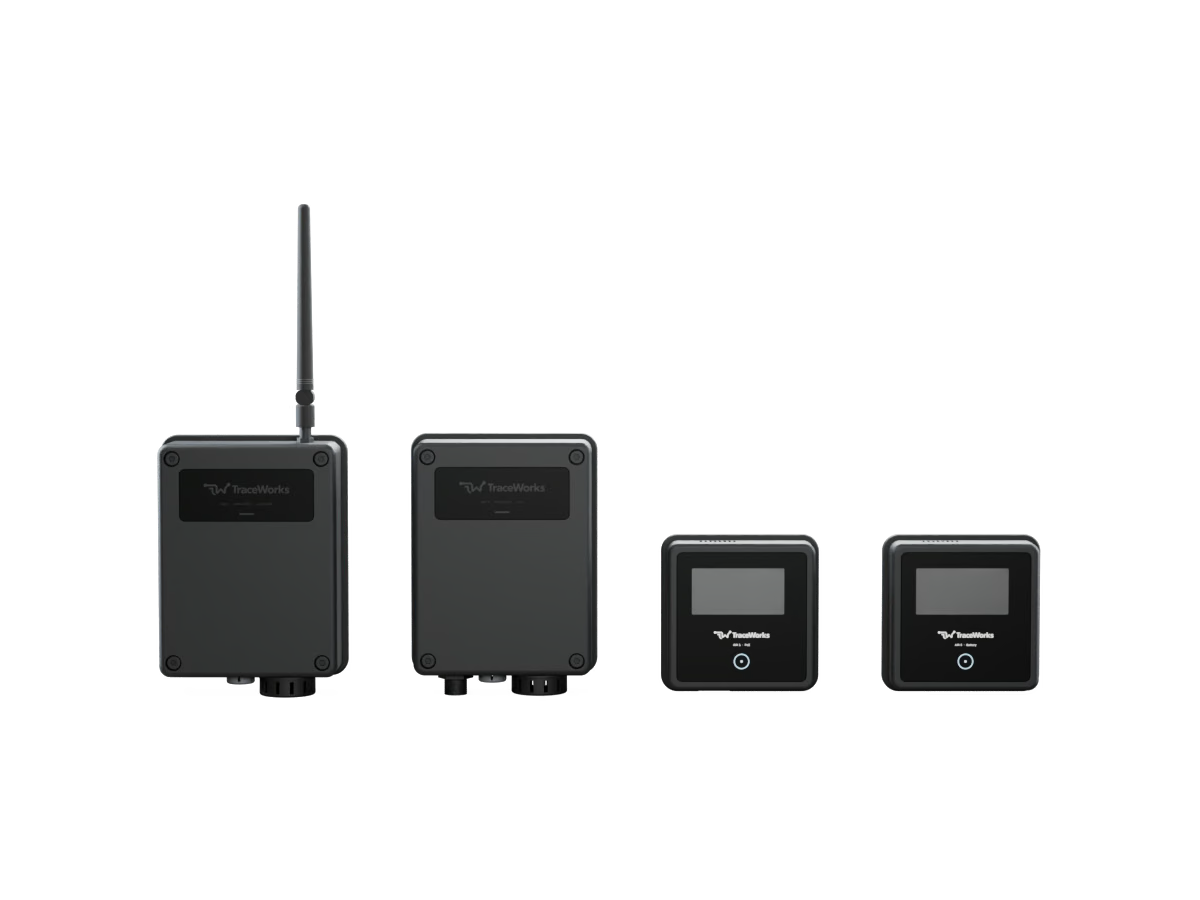
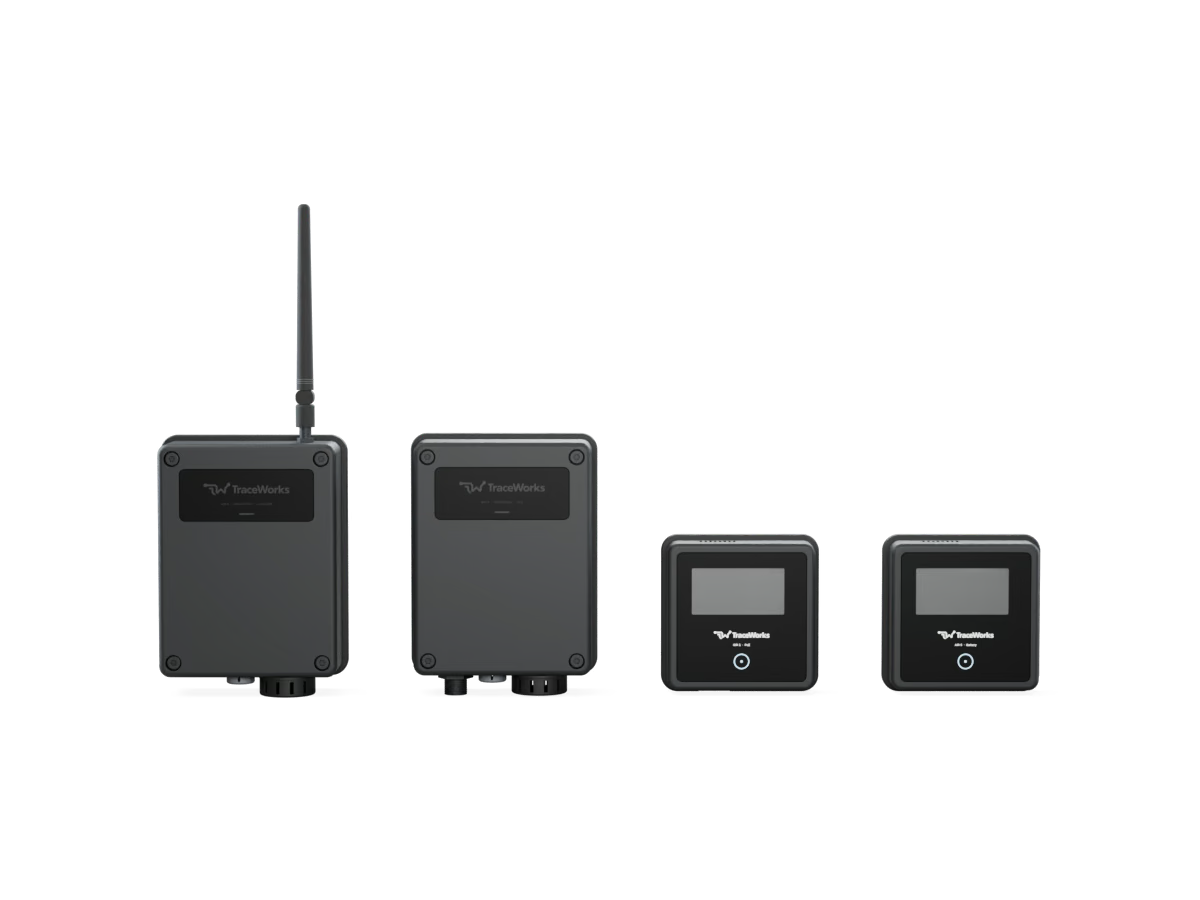
Sensors that extend the system onto the warehouse floor.
Planned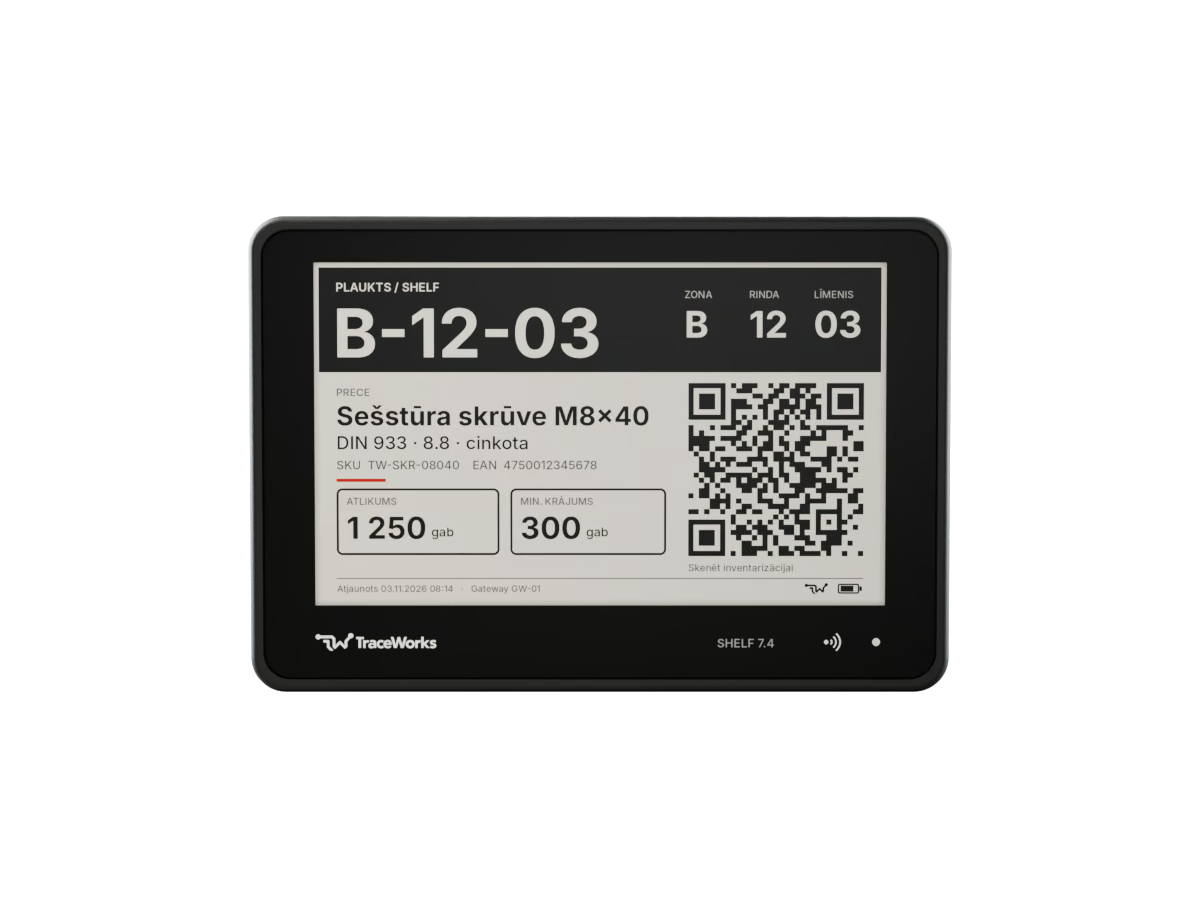
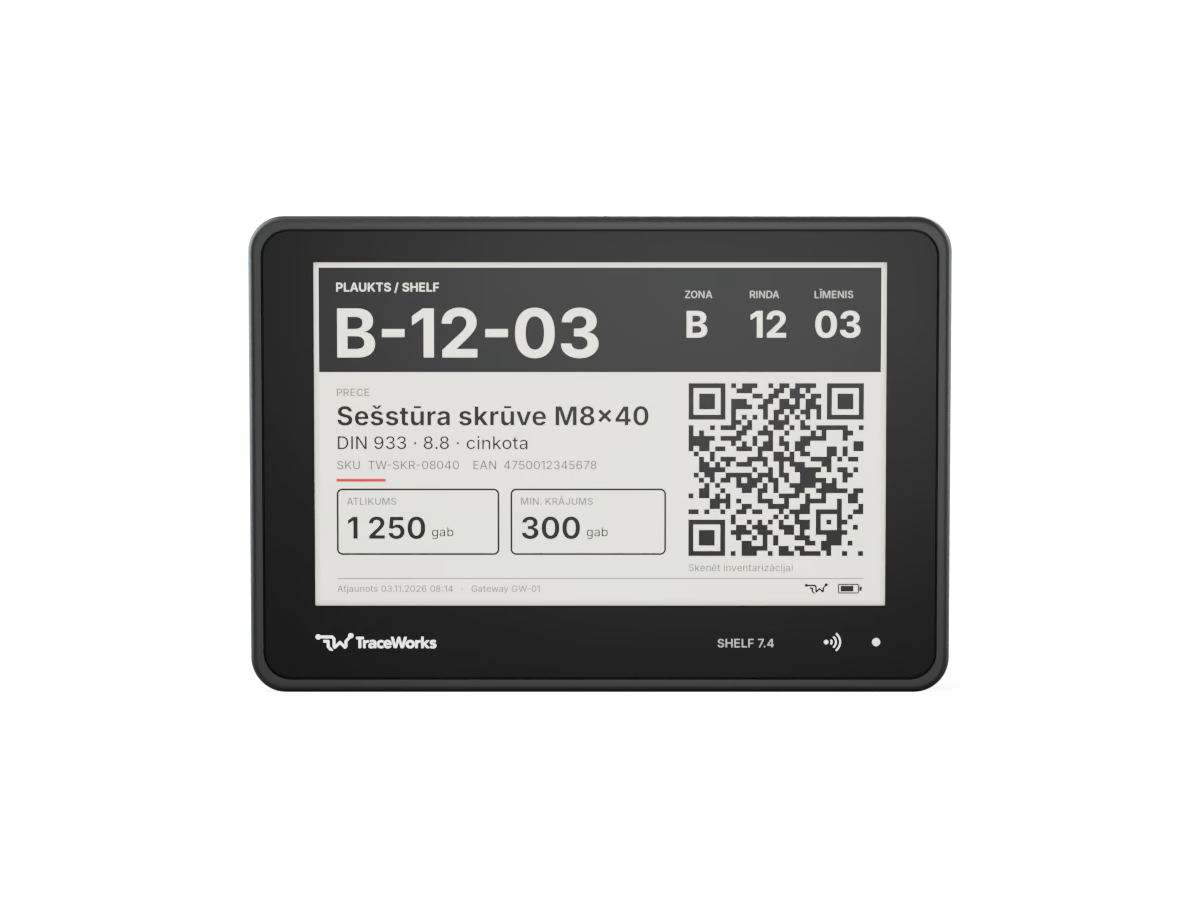
An e-paper shelf label, updated by the system.
Planned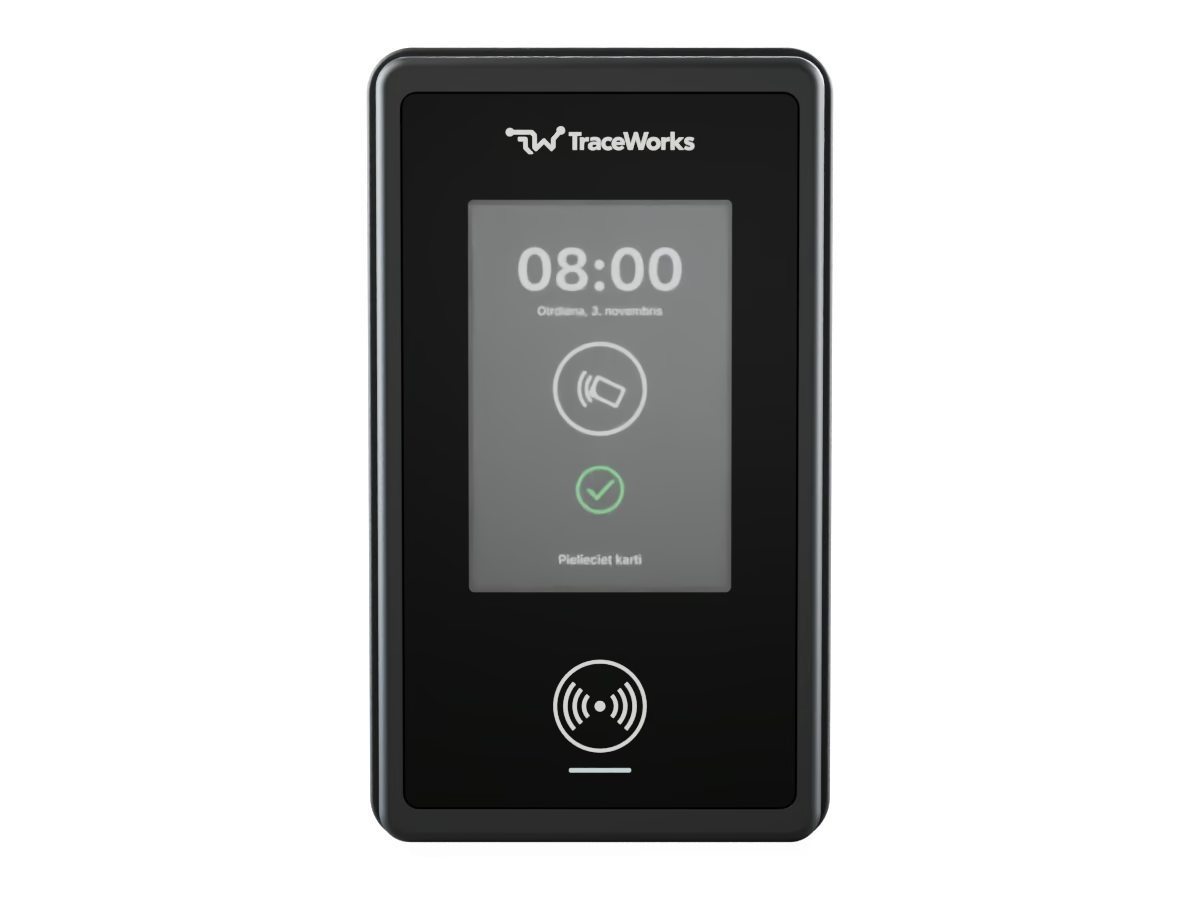
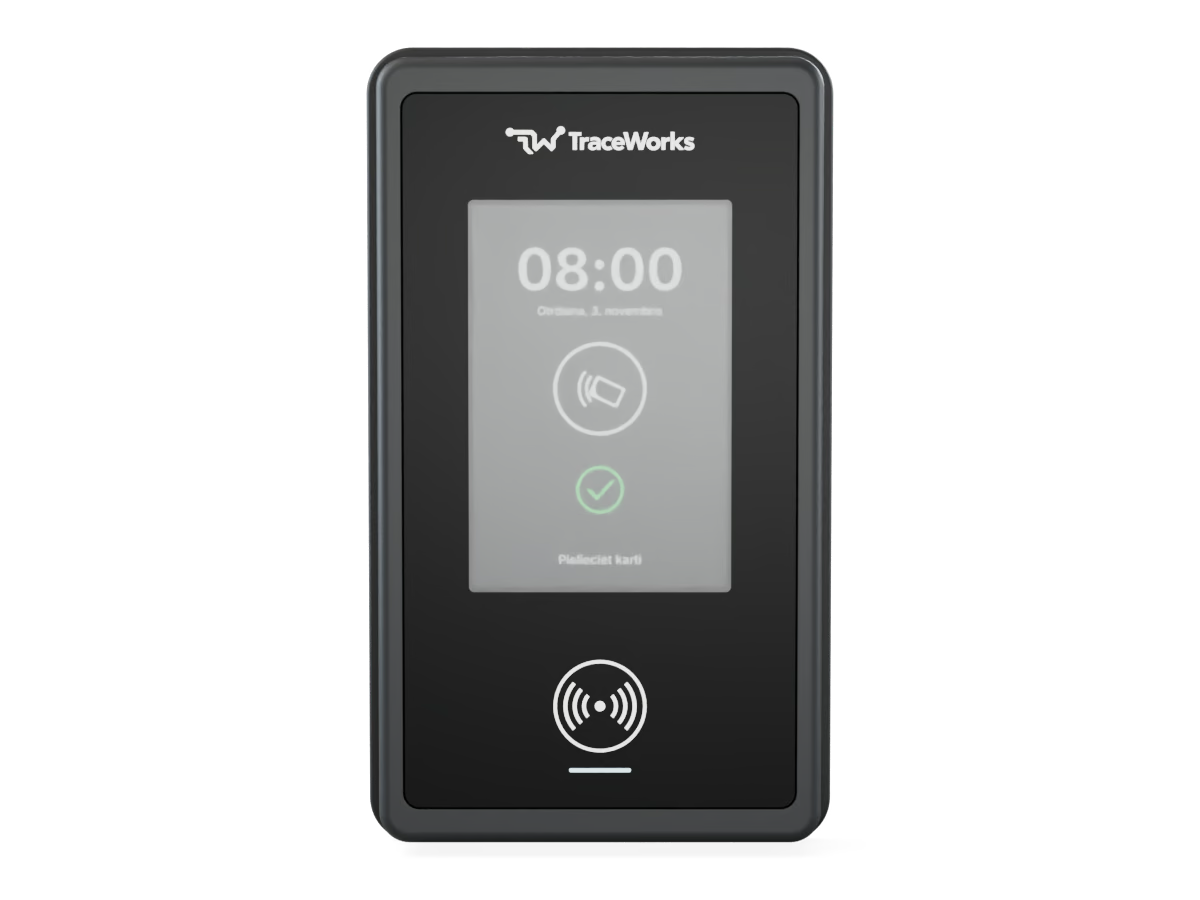
A terminal for the workplace.
Planned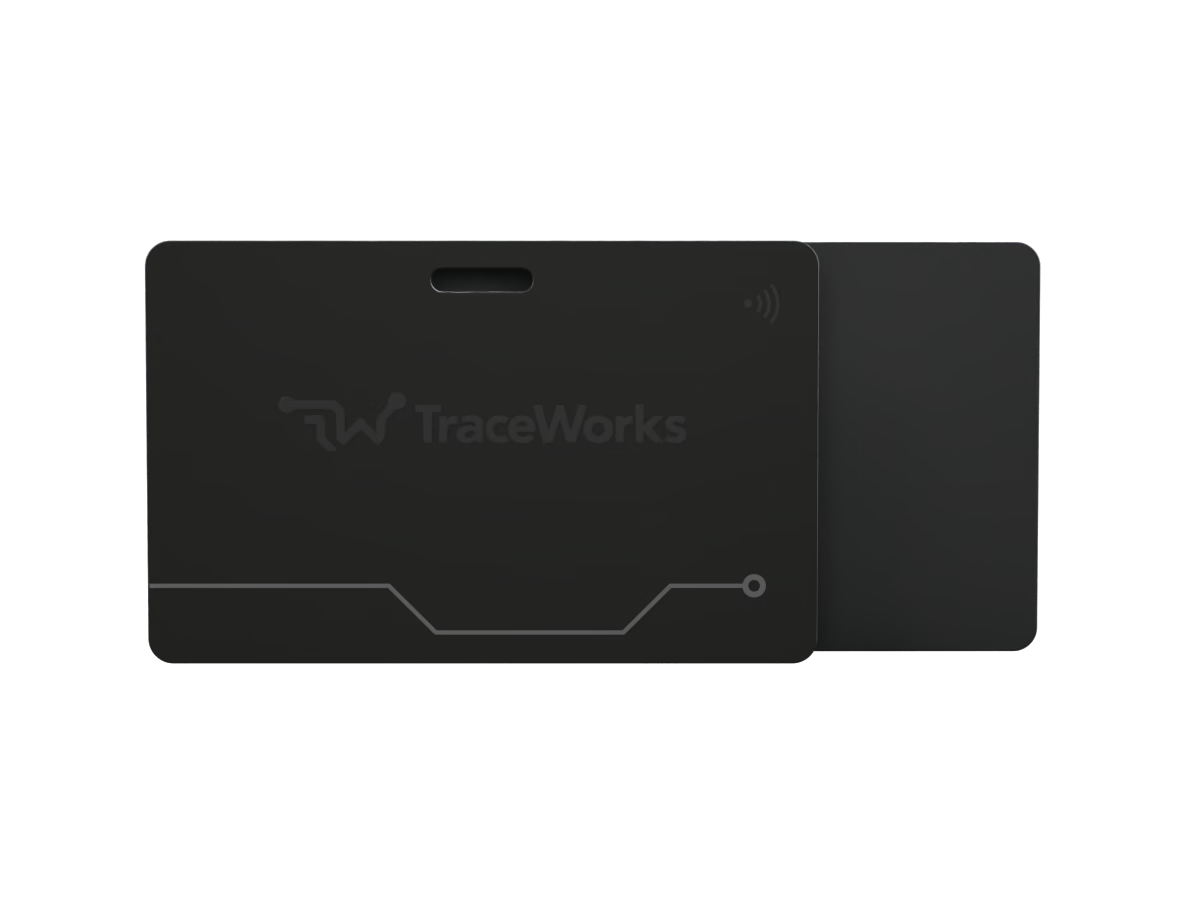
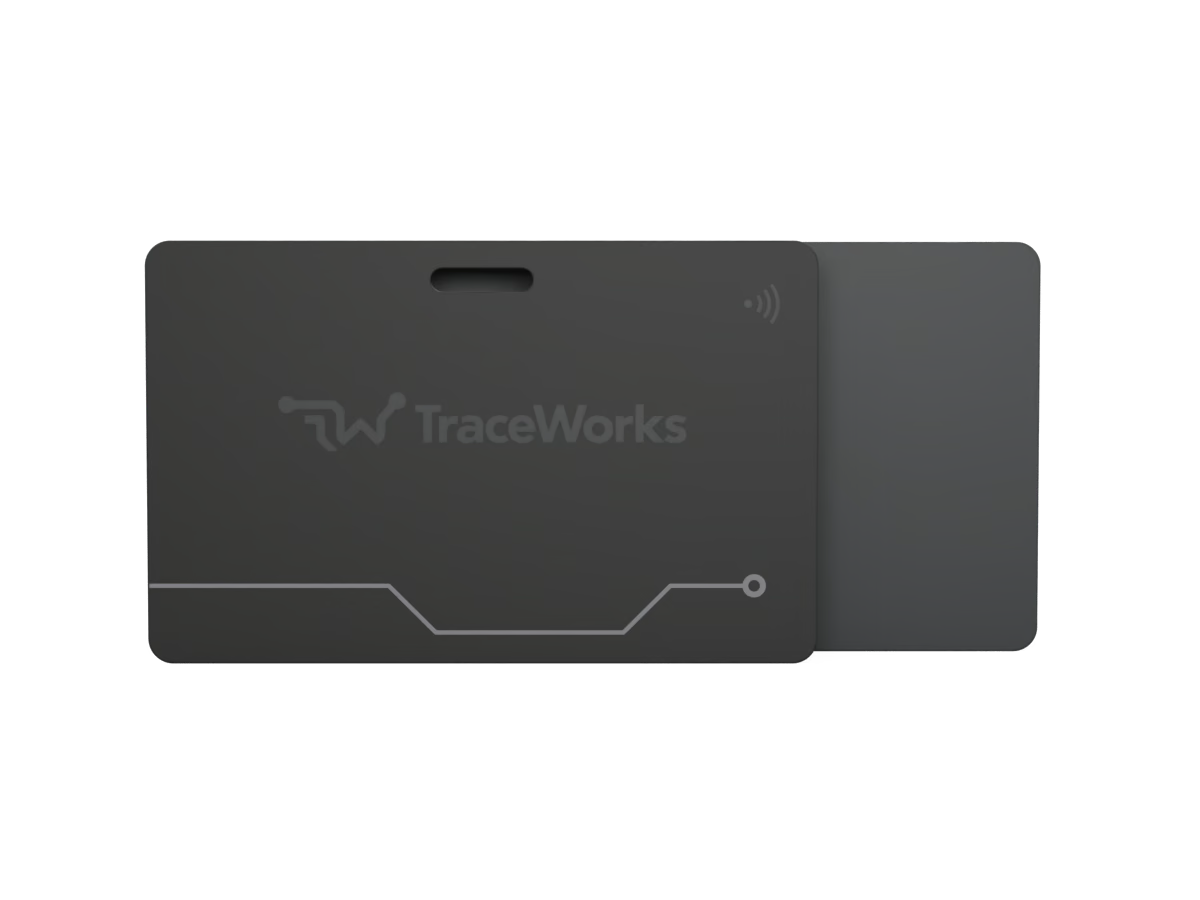
Identification.
PlannedStart with the first useful configuration and extend the system later.
Link Planned
Link radio modules connect wireless devices to Base Station over the local network. The family has three models, all powered over the Ethernet cable (PoE).
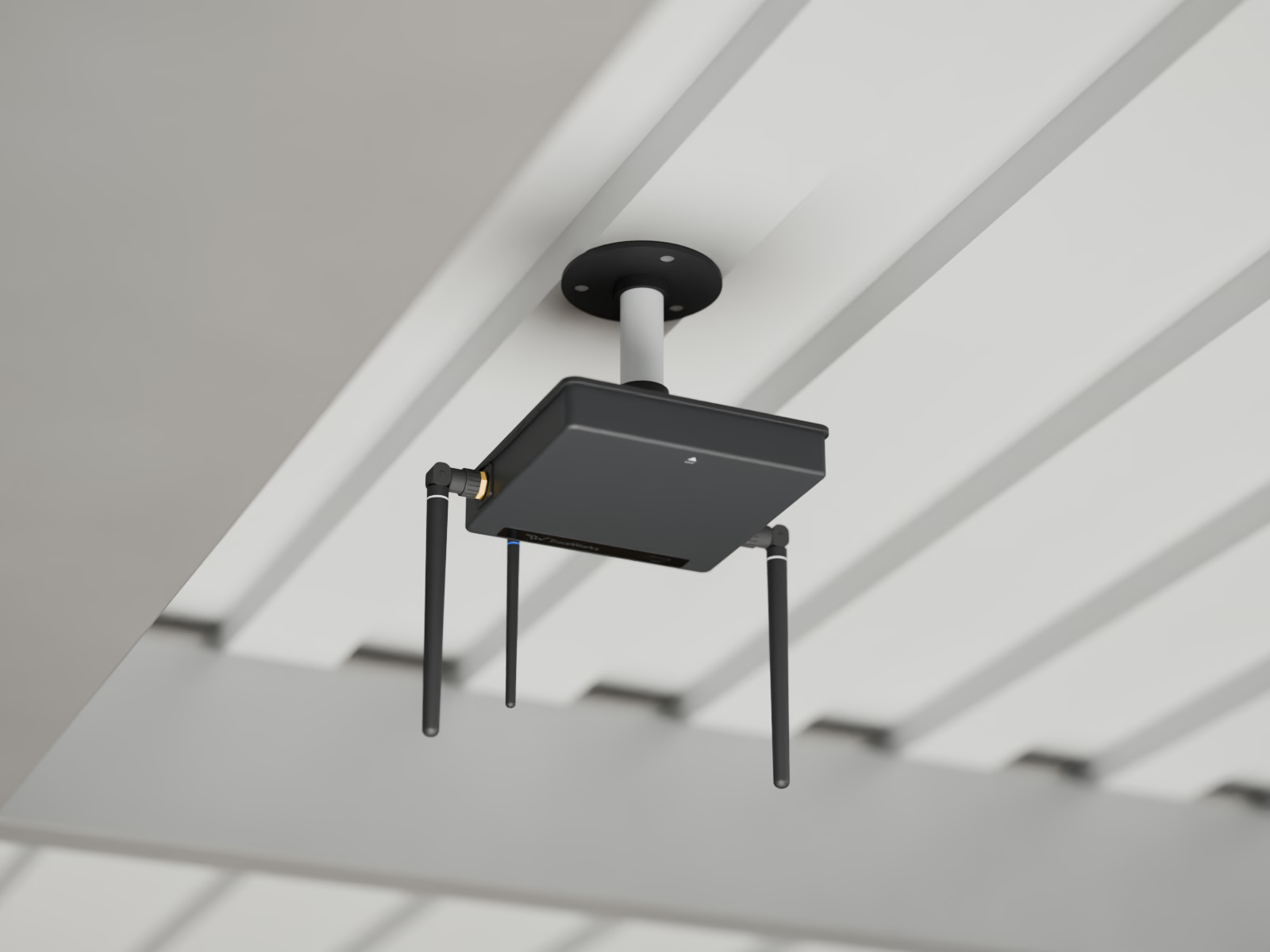
Under the roof
BLE + sub-GHz radio
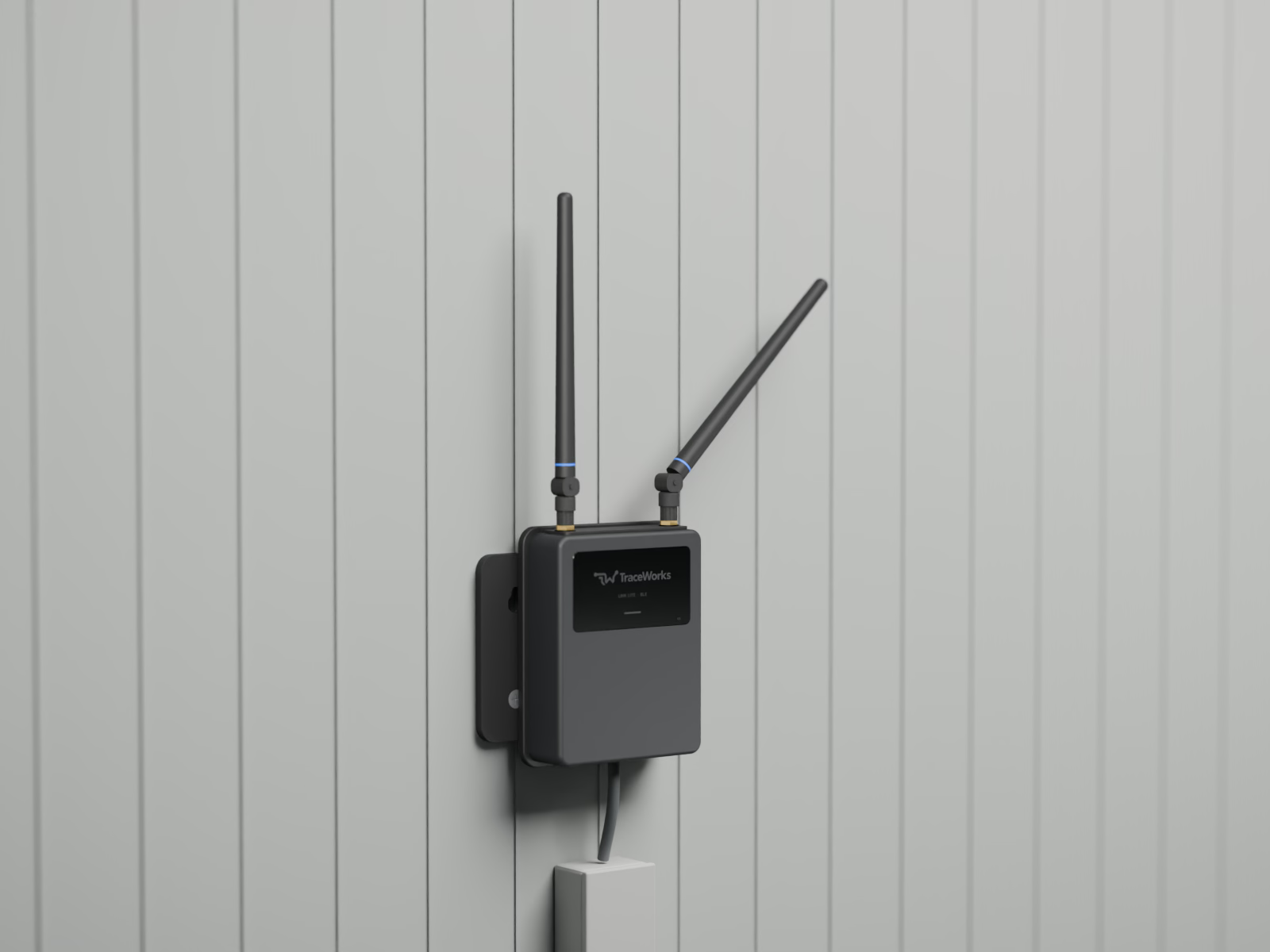
On the wall
Bluetooth Low Energy
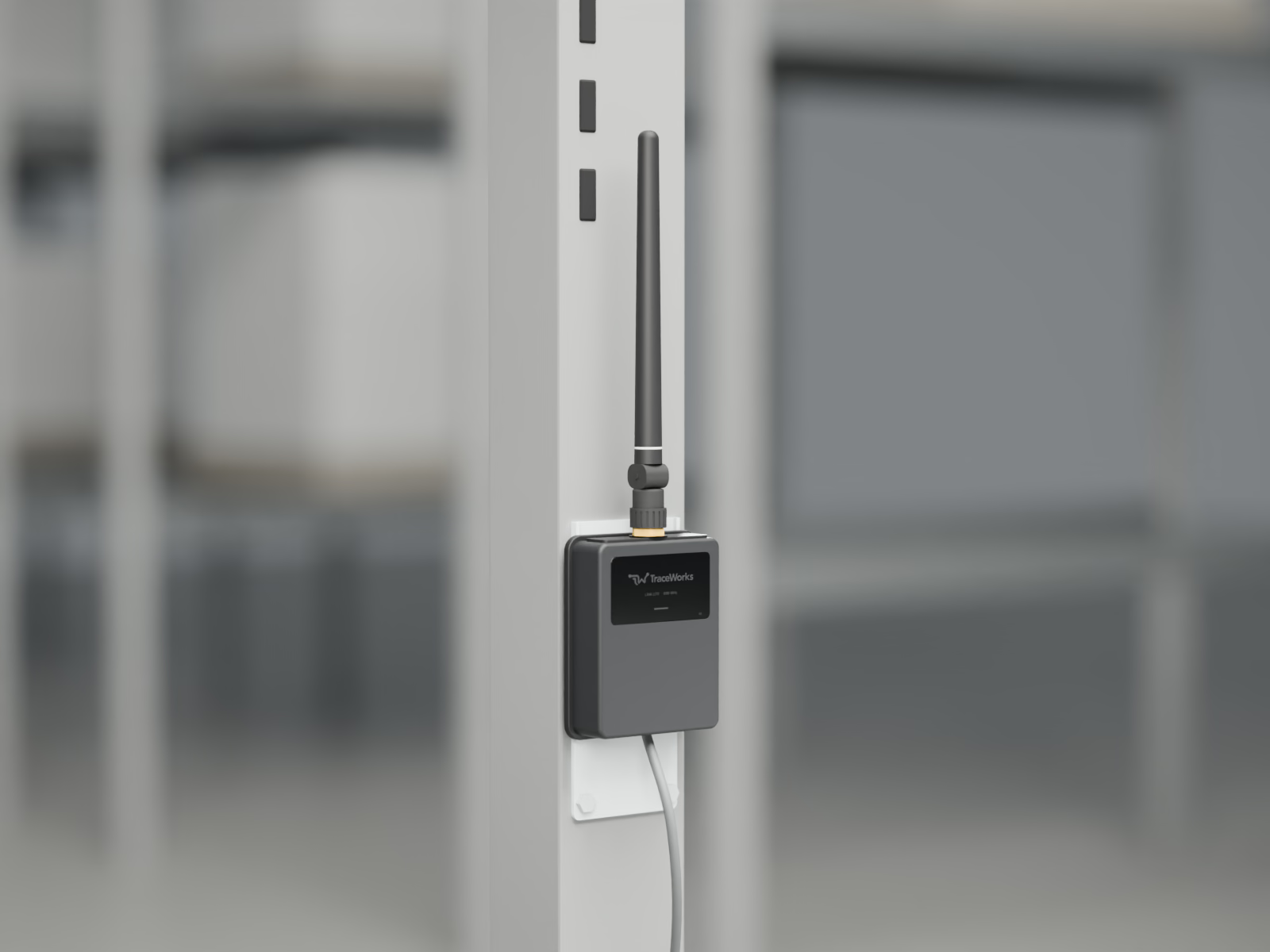
On the racking
Sub-GHz radio
Architecture
Each layer connects to the next, from the platform to the device at the workplace.
The shared view.
Stock, orders and time management in one workspace.
In developmentThe local core.
Sync at your site that links physical work to the software.
In developmentYour existing infrastructure.
Radio links use an external PoE switch. Base Station itself does not supply PoE output.
Wider reach.
Radio modules that connect wireless devices to Base Station over the local network.
PlannedCloser to every action.
Sensors, labels and identification that extend the system onto the warehouse floor.
PlannedCompany
Roadmap
We start with Base Station and the software; Link and the pilot projects follow.
A programme supporting prototype development and validation.
Base Station and software in development.
The first working Base Station and software configuration, using a phone or compatible external scanner.
Development of Link BLE, Link subGHz and Link PRO.
The first customer pilot projects.
A first manufacturing batch.
We design our hardware and software in-house. Our goal is to manufacture in the European Union.


Accepted into the Future Boost Validation Voucher (FBVV) programme, which supports prototype development and validation.

Four people build every layer of TraceWorks, from circuit board to screen: hardware, electronics, software and servers.

Hardware development

Software development

Hardware and servers

Electronics
Work with us
We’d like to work with warehouses that want to try TraceWorks early. Write to us.